
One image or a whole batch
The right size.
Ready for what’s next.
Resize images online for free with control over dimensions and output quality. Preserve proportions to keep photos natural, compare sharpness at the size you need, and download files for your website, social posts, or everyday sharing.
A simpler batch workflow
Shared settings. Individual downloads. One ZIP.
Your images stay on your device
The resizer processes selected files in your browser.
You choose the output
Custom dimensions, presets, and three export formats.
How it works
From upload to download in four steps
A clear workflow for a single photo or a mixed batch of images.
Choose your images
Drop in one image or a whole batch. Preview your files, check their original dimensions, and remove any you don’t need.
Find the right fit
Enter a width and height or choose a preset. Keep aspect ratio fits the full image inside your target without stretching.
Pick your format
Export as JPG, PNG, or WebP. Adjust JPG/WebP quality to balance detail and file size, then click Resize Images.
Review and download
Compare dimensions and file sizes. Download individual images or remove unwanted results and save the rest as a ZIP.
A batch uses the same settings, but proportional output dimensions can differ. After changing settings, click Resize Images again to generate new results.
Proportions and picture quality
Keep images sharp and avoid stretching
Preserve the shape of your image
Enable Keep aspect ratio and enter your preferred width and height. The tool fits the whole image within that box, without cropping or stretching. A 1200 × 800 photo fitted inside 600 × 600 becomes 600 × 400, so faces and objects keep their natural proportions.
Disabling the setting forces the exact dimensions and may distort the image. If you need a square without stretching, crop the image to a square first.
Check clarity at the intended size
Reducing dimensions can keep a photo visually sharp, but it still changes the pixels. Aspect ratio prevents distortion; it does not recover detail or guarantee sharpness. Enlarging a small image may look soft because missing detail cannot be restored by resizing.
Start with the highest-quality original available. For JPG or WebP, compare output quality settings and inspect the result at its intended display size before choosing which file to keep.
See it for yourself
Your picture. The perfect fit.
From a full-size photo to a smaller, share-ready image. Keep the proportions and the whole scene, from the peaks to the flowers.
Same proportions
A smaller size. The full scene.
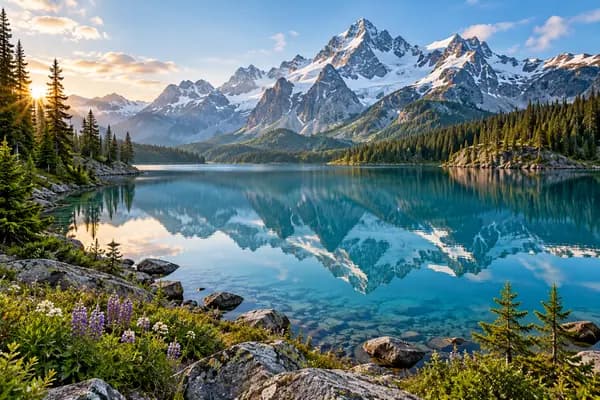
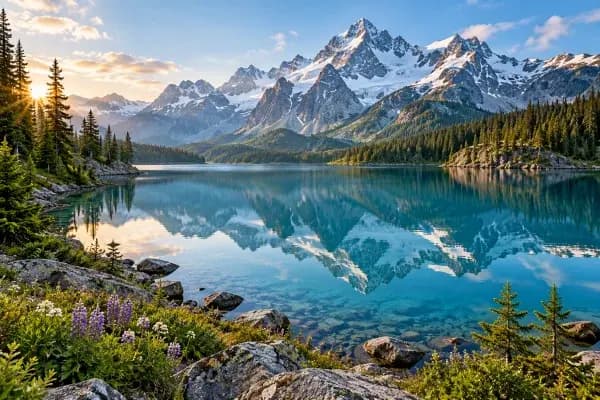
Illustrative previews. Example dimensions: 1200 × 800 → 600 × 400 pixels.
Choose your format
The right export for your image
Upload JPG, PNG, WebP, or SVG. Export in the format that works for your destination.
For everyday photos
A practical choice for opaque photographs and destinations that accept JPEG. Adjust quality and inspect the result before sharing.
Adjustable quality
For graphics & transparency
Keep transparent areas in logos, screenshots, and graphics. PNG encodes the resized pixels losslessly; resizing still changes image detail.
Transparency supported
For web-ready images
Combine transparency with adjustable quality when your website or destination accepts WebP. Compare its output size with JPG and PNG.
Flexible web format
Working with SVG? SVG input is rendered to pixels. Use self-contained files; linked fonts and images may not load. SVG output and animation preservation are not supported.
Keep your originals. Downsizing removes detail and enlarging cannot restore it. A quality setting of 90 is not a percentage of detail retained. Canvas exports should not be relied on to preserve EXIF, GPS, color profiles, or print metadata.
Pixels or file size?
Image resizing vs. image compression
Resize to change dimensions
Resizing changes an image’s width and height in pixels, such as 1200 × 800 to 600 × 400. Use it to fit a layout or an upload requirement. Fewer pixels can also reduce file size.
Compress to reduce KB or MB
Compression changes how the image is encoded and can reduce file size while keeping the same pixel dimensions. Lossy compression trades some detail for a smaller file. Use the image compressor for a dedicated compression workflow.
You can combine both: resize to the dimensions you need, then adjust JPG or WebP quality. The final size depends on the image, format, and settings; this resizer does not promise an exact KB target.
Made for your next upload
Start with where your image is going
Your website
Match the space in your layout. A 600-pixel-wide display area may use a 1200-pixel-wide source for a display with twice the pixel density. Check the result on your page.
Smaller images can help loading, but do not guarantee higher search rankings. Google’s page guidance
Social & thumbnails
Presets are starting points. Check your destination’s requirements, which can change. Our 1280 × 720 YouTube preset is a smaller 16:9 option.
YouTube currently recommends 3840 × 2160 for video thumbnails, with a 2 MB mobile upload limit and a 50 MB desktop limit.
Forms & file limits
Need to fit a KB limit? Compare the output size, then try smaller dimensions or lower JPG/WebP quality. This resizer does not guarantee a target file size.
Explore the compressorSimple controls. Clear expectations.
Your images.
Your settings.
Review what changes before downloading. Keep the files that work for you and keep your originals for future edits.
Fit or exact dimensions
Keep aspect ratio fits the whole image. Uncheck it for exact dimensions with possible stretching. For a different composition, use the image cropper.
Local image processing
The resizing workflow does not upload your image files to our servers. Other site services are covered by our Privacy Policy.
Batch sizes depend on your device
There is no fixed batch-count or upload-size cap in the resizer. Browser memory and canvas limits still apply, and ZIP creation needs extra memory. Try fewer files if a batch fails.
A little more detail
Frequently asked
questions
From formats to file sizes, here’s what to know before you resize.
Still need help? Contact usCan I resize an image without losing quality?
You can often resize an image while keeping it visually sharp, especially when reducing dimensions. However, resizing changes the image's pixels, and enlarging cannot recover missing detail. Keep the aspect ratio enabled and check the output before downloading.
How do I resize an image without stretching it?
Enable "Keep aspect ratio," then enter your preferred width and height. The tool fits the image within those dimensions while preserving its original proportions. If you disable the setting, the image may stretch to match the exact values.
What image formats can I upload and download?
Upload JPG/JPEG, PNG, WebP, or SVG. Download JPG, PNG, or WebP. SVG input is rendered to pixels; SVG output and animation preservation are not supported. Self-contained SVG files work best because external fonts and images may not load.
Can I resize multiple images and download a ZIP?
Yes. Select multiple files, choose shared dimensions, format, and quality, then click Resize Images. Each image is processed in turn. With Keep aspect ratio enabled, output dimensions can differ between images. Remove unwanted results before downloading resized_images.zip, or download individual files.
Are my images uploaded to a server?
This resizer reads and processes the selected images in your browser and creates downloads there. The resizing workflow does not upload your image files to our servers. See our Privacy Policy for information about other site services, such as analytics and advertising.
Can I resize images to a specific KB file size?
You can reduce the file size by adjusting dimensions and JPG or WebP quality. However, this resizer does not guarantee an exact target such as 100 KB or 200 KB. Check the downloaded file size and adjust the settings as needed.
Is there a file size or batch limit?
There is no fixed upload-size or batch-count limit set by this resizer. Browser memory, image dimensions, and device performance limit what can be processed. A large ZIP needs additional memory. If a batch fails, try fewer files or smaller dimensions.
Are transparency and photo metadata preserved?
Choose PNG or WebP for transparency. JPG does not support transparency; use PNG or WebP if transparent areas matter. Exports are new images created from a browser canvas. Do not rely on EXIF, GPS, camera details, color profiles, or print-resolution metadata being preserved. Keep your originals.
Is this free, and can I use it on mobile?
The resizer is free and does not require an account. It is designed for modern desktop and mobile browsers with JavaScript enabled. Available export formats and the size of batches you can process depend on your browser and device.
Give your next image the right dimensions.
One photo or a batch. Choose your settings, review your results, and download when you’re ready.
Resize Images Online FreeFree to use · No account required